Your Cart is Empty


 Verified Buyer

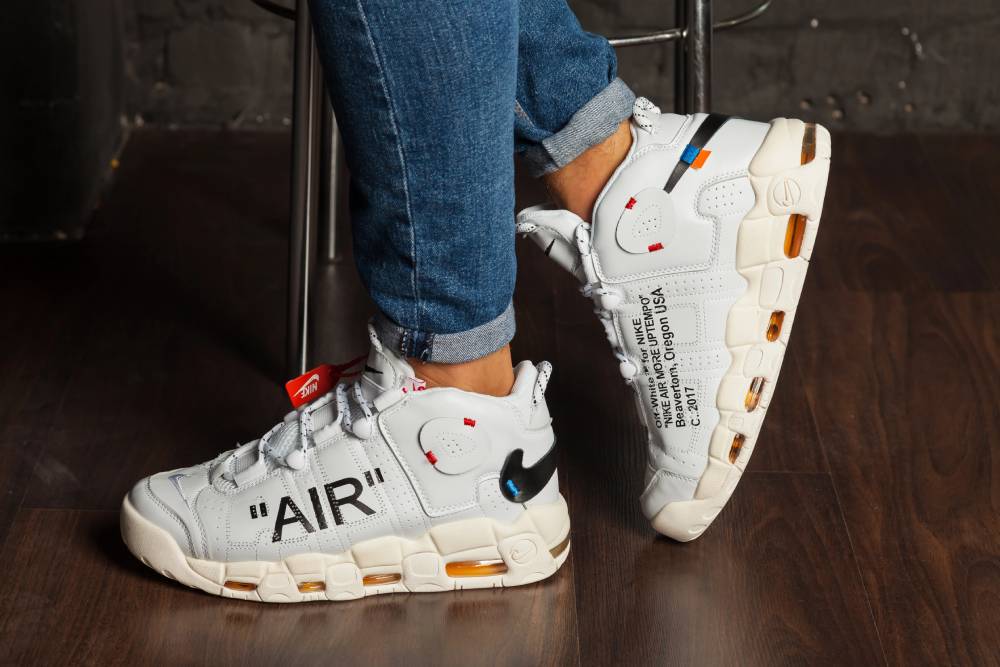
Nike Air Max has a special kind of magic. The silhouette hits, the colorways speak, and that visible Air unit turns sidewalks into runways. That popularity also makes Air Max a top target for reps. Some fakes are loud and sloppy, but plenty are slick enough to fool a quick glance and a phone screen.
If you want to buy with confidence, you need a routine. Think of it like a legit-check ritual: start with the packaging, move to the shoe build, then finish with the details fakers hate to nail. Here’s how you can spot a fake Nike Air Max.
Start with the Box and Label
A lot of people toss the box check as “extra.” That’s exactly why it works. Rep factories focus on the shoe first, and packaging gets “close enough” treatment.
Look at the box label printing quality. Real labels have sharp text, clean edges, and consistent ink density. On fakes, text often looks slightly fuzzy, too bold, or strangely thin. Check spacing around the size, barcode, and country codes. If the layout feels off compared to other Nike boxes you own, trust that gut feeling.
Now match the box info to the shoe. The style code (SKU) on the box should match the shoe’s size tag SKU character for character. If one digit is different, that is a major warning sign. Also check the color description. It should align with the actual colorway, not some vague phrase that feels like a guess.
Check the Seller and Listing Before You Even Zoom In
The fastest way to avoid fakes is to not shop in sketchy places. If you are buying resale, look for sellers who show clear photos of the size tag, box label, insoles, outsole, and the Air unit from the side.
Red flags show up in patterns:
- Stock photos only, especially for “limited” pairs
- Prices that look like a steal for a hype release
- No return policy, or weird pressure to pay off-platform
- Reviews that look copy-pasted or unrelated to sneakers
Ask for a timestamp photo with today’s date and the shoe. A legit seller usually complies without drama.
Feel the Materials, Because Air Max Has a Signature Touch
Air Max models vary, but Nike materials usually have a consistent “hand feel.” Mesh should feel purposeful, not thin like a cheap laundry bag. Suede or nubuck should have movement when you brush it. Leather panels should not feel plasticky or overly glossy unless the model calls for it.
Fakes often mess up panel thickness. One giveaway is when overlays look puffy or oddly flat. Another is stiffness. If the upper feels like cardboard, that is not the vibe Nike ships at retail.
Also trust your nose. A strong chemical smell can happen with legit pairs fresh from the box, but reps often hit you with a harsher, more synthetic odor that lingers.
Inspect Stitching and Panel Alignment in Good Light
Nike has factory variation, but the overall symmetry is usually solid. Put both shoes side by side and scan them like you are judging a custom car paint job.
Check stitch length and direction. On legit pairs, stitching tends to be even and clean, with minimal fraying. On fakes you might see:
- Wavy stitch lines that drift off track
- Loose threads near high-stress points
- Over-stitching at corners and panel joins
Panel alignment matters too. If one toe box shape looks sharper than the other, or the mudguard line rises higher on one shoe, slow down and keep checking. Good alignment reveals the real color layout, which is handy when you’re choosing shirts to match Nike Air Max.
Study the Swoosh, Logos, and Fonts Like a Detail Nerd
Reps love to get the big shape right and the small typography wrong. Look closely at logo placement and font style.
On many Air Max pairs, the Swoosh should sit with clean proportion against the panels around it. Fakes sometimes place it a few millimeters too high or too close to an edge. That tiny shift changes the whole silhouette once you notice it.
Now check any Nike Air branding, tongue tags, and heel embroidery. Compare letter spacing and thickness. Legit embroidery usually looks tight and clean. Fake embroidery can look like it’s sinking into the material or standing up too tall, with messy edges.
If your pair has “Air Max” text on the tongue or heel, examine the font. Rep factories often pick a close font, not the exact one, and the difference shows in the shape of letters like “A,” “R,” and “S.”
The Air Unit Test: Clarity, Shape, and Placement
The visible Air unit is the star of the show, so counterfeiters try hard here. Still, it’s one of the best places to catch them.
Look at the Air window from the side:
- The edges should look clean, not jagged or cloudy
- The window should sit evenly in the midsole, not tilted
- The Air bag should not look overly yellow or foggy unless the pair is aged
Press the midsole lightly near the Air unit. Legit Air Max cushioning has a certain rebound. Some fakes feel dead, or oddly squishy in a way that doesn’t match the model’s reputation.
Also check for excess glue around the Air window. A little glue can happen on retail pairs, but messy glue smears are more common with reps.
Outsole and Midsole Details Fakers Miss
Flip the shoe over. Outsoles are harder to fake perfectly because they involve molds and consistent pattern depth.
Look at the tread pattern definition. Legit pairs usually have crisp edges and consistent depth. On fakes, the pattern can look shallow, soft, or slightly melted.
Then check the midsole paint and texture. Many Air Max models have distinct foam textures, matte finishes, or subtle speckling. Rep pairs often miss the exact finish and end up too shiny or too flat.
If the model has a heel clip, shank, or TPU piece, check the plastic quality. Legit components look clean and purposeful. Fake plastic can look cheap, with dull shine or tiny bubbles.
Read the Inside Tag and Compare Codes
Pull out your phone flashlight and check the size tag inside the shoe. The print should be clean, and the information should look professionally aligned.
Match these three things:
- SKU on the inside tag vs SKU on the box label
- Size format vs what Nike uses in your region
- Manufacturing dates that look realistic for the release timeline
A common rep slip is sloppy printing. If the tag text looks smudged, overly bold, or misaligned, that is suspicious. Another slip is a tag that feels like thin paper, or a label that peels too easily.
Insole, Sockliner, And Footbed Clues
Pop the insole out if you can. Many legit Air Max pairs have specific insole prints, textures, and foam density. Fakes sometimes use a generic insole that looks right at first glance but feels wrong under thumb pressure.
Check the sockliner stitching too. The inside lining on legit pairs tends to be neat and consistent. On reps, the liner can bunch up, wrinkle oddly, or show uneven seams.
Also look under the insole at the footbed. Some models have visible glue patterns or foam shapes that are hard for reps to copy exactly. It’s not glamorous, but it’s a great lie detector.
Legit Pair Secured? Shop Sneaker-matching Tees, Hoodies and Sweatshirts
Once you’ve dodged the fakes and locked in a real pair, the fun part is styling it. At illCurrency, we make sneaker-matching tees, hoodies, and sweatshirts designed to line up with your Jordans, Nikes, and other staples, so your fit looks put together the moment you lace up.
Browse our best sellers and new arrivals to find a graphic and color palette that plays off your kicks instead of fighting them. Want a quick refresh for the rotation? The Mystery Box deal packs four tees for $60, which is perfect for building outfits around multiple pairs at once.