Your Cart is Empty


 Verified Buyer

If you're a sneakerhead, you know that Jordan 13 sneakers are a classic in the sneaker world. As with any highly sought-after pair, counterfeit versions have flooded the market, making it harder to distinguish between a real and a fake pair. When purchasing Jordan 13 sneakers, whether online or from a reseller, it’s essential to know how to distinguish between authentic and counterfeit versions.
In this guide, we’ll walk you through the steps to verify your Jordan 13 sneakers, ensuring you get a genuine pair that lives up to the iconic style and craftsmanship.
Check the Box and Packaging
The packaging of your Jordan 13 sneakers is one of the first things you should examine when determining if they are real or fake. Authentic Jordan 13s come in a sturdy, high-quality box with clear, crisp printing. The box typically features the Jordan logo, Nike swoosh, and the sneaker model number. The font used for these prints should be precise, sharp, and well-aligned.
Counterfeit boxes, however, often feel flimsy and lightweight, and the logos or text may be blurry or misprinted. Additionally, counterfeit boxes may have inconsistent or incorrect colors, and sometimes the box size may not match the packaging of a true Jordan 13. You should also check the size label on the box, which should match the shoe size and other details.
Inspect the Overall Build Quality
Authentic Jordan 13 sneakers are made with premium materials designed for both durability and comfort. The leather, suede, and rubber used in genuine Jordan 13s are of high quality, providing a structured yet flexible feel. When you hold the sneakers, they should feel solid without being overly heavy or too light.
The leather should have a smooth, supple finish, while the suede should be soft to the touch with a fine grain texture. On fake versions, you may notice that the materials feel cheaper and less premium. Fake Jordan 13s often use synthetic leather or low-quality suede that may be stiff or uneven.
Examine the Shape and Silhouette
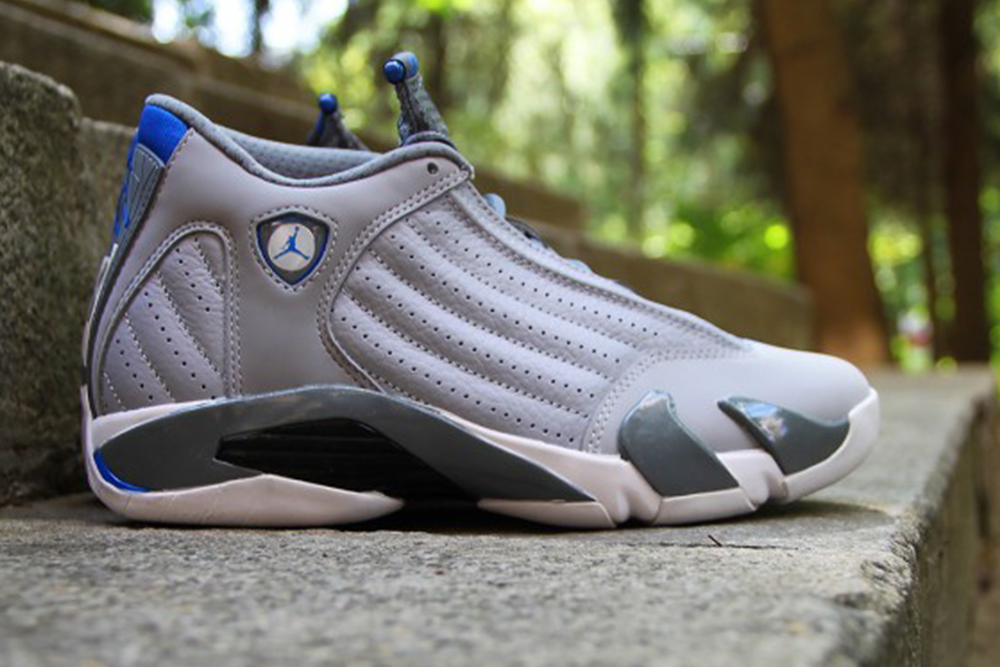
One of the most distinctive features of the Jordan 13 is its unique shape and silhouette. Authentic Jordan 13 sneakers have a smooth, curved toe box, giving the shoe an elegant, rounded appearance. Fake versions, on the other hand, may have a more boxy or uneven toe box that disrupts the smooth lines of the shoe. The side panels of the Jordan 13 are also sleek and form-fitting, hugging the foot and creating a streamlined look.
Counterfeit pairs often appear bulkier, with side panels that are less defined. The overall proportions of the shoe should feel balanced, with the midsole and upper seamlessly blending together. In addition to the general shape, pay attention to the toe cap and heel area; these should be smooth and well-constructed.
Check the Jumpman Logo
The Jumpman logo is an iconic part of the Jordan 13 and is one of the easiest ways to spot a counterfeit pair. On genuine Jordan 13 sneakers, the Jumpman logo is embroidered with precision, and the stitching around it is clean and even. The logo should be centered properly, whether it’s located on the tongue or heel, and it should not appear blurry or off-center.
Fake versions may feature a Jumpman logo that is poorly stitched, with loose threads, misaligned placement, or a blurry print that makes it look low-quality. Additionally, counterfeit pairs sometimes use plastic or cheap printing for the Jumpman logo, rather than the high-quality embroidery seen in authentic pairs.
Look at the Sole and Traction Pattern
The sole and traction pattern of the Jordan 13 are key indicators of authenticity. Authentic Jordan 13 sneakers feature a high-quality rubber sole with a unique circular traction pattern designed for both style and performance. The sole should feel solid and durable with a deep, well-defined tread that ensures maximum grip.
The pattern on the authentic soles is sharply defined, creating clear lines and grooves that you can easily feel and see. Counterfeit versions, however, often have softer rubber soles that lack the depth and detail of the original traction pattern. Fake soles tend to appear flatter and less textured, and the grooves may not be as well-formed or even inconsistent.
The overall quality of the rubber should also be checked; genuine Jordan 13 soles have a firm, resilient feel, while fake versions often feel flimsy or overly pliable. Pay particular attention to the details around the heel and forefoot, as these areas are where the quality difference is most noticeable.
Examine the Inside Lining and Tags
When inspecting the authenticity of your Jordan 13s, don’t overlook the inside lining and tags, which are critical points for verification. Authentic Jordan 13 sneakers have a well-constructed, comfortable interior lining that feels smooth and soft to the touch. The stitching inside the shoe should be neat, consistent, and tightly secured, with no loose threads or signs of excess glue.
The tags inside the shoe, including the size label and product information, should be clear and legible. Counterfeit Jordan 13s often have poorly constructed linings that feel cheap or thin, and the stitching might be inconsistent or unraveling. Additionally, the printed tags on fake shoes may feature blurry text, incorrect fonts, or misspelled words. The size tag should align perfectly with the model and production year of the sneakers.
Authentic tags usually have a high-quality print and accurate information, whereas fake tags may have uneven font sizes, distorted logos, or incorrect details. Always check the tags for correct manufacturing information and verify them against known sources to confirm authenticity.
Verify the Serial Number and QR Code
Authentic Jordan 13 sneakers come with a serial number or QR code, which can be used to verify their authenticity. Most genuine pairs of Jordan 13s will have a unique serial number located on the tongue or inner lining of the shoe. This number should correspond to the correct model, colorway, and manufacturing details.
To check the serial number, you can enter it on Nike's official website or use trusted third-party authentication services that track genuine sneakers. The QR code, if present, is often located near the size tag and can be scanned using a mobile device to verify the shoe’s legitimacy. Fake Jordan 13 sneakers typically lack these identifiers or have serial numbers that do not match any known records, making them an easy giveaway.
If you're uncertain, using a sneaker authentication app or contacting Nike directly can help you confirm whether the pair you’re considering is real. Authentic Jordan 13s will have a unique serial number or QR code, so double-check these details before finalizing your purchase.
Compare the Weight and Comfort
Another important aspect to consider when verifying Jordan 13 fake vs real is the weight and comfort of the sneakers. Genuine Jordan 13s are crafted with high-quality materials that provide both durability and support, resulting in a well-balanced and comfortable fit. When you hold a pair of authentic Jordan 13s, they should feel substantial but not excessively heavy.
The sneakers should have a soft, cushioned feel, especially in the midsole and around the ankle collar, which contributes to the overall comfort. The insoles should provide support and comfort, making the shoes feel snug yet breathable. On the other hand, counterfeit versions often feel lighter or heavier than the real thing. Fake Jordan 13s may have inferior cushioning, with insoles that lack support or feel too stiff.
The weight of fake sneakers can be off, with some pairs being unnaturally light due to the use of cheaper, lower-quality materials. When you wear the sneakers, they should feel comfortable and flexible, with enough support for extended wear. If the sneakers feel uncomfortable or too lightweight, it’s a sign that they could be counterfeit.
Inspect the Carbon Fiber Plate
One of the standout features of the Jordan 13 is its carbon fiber plate, which plays a key role in both the shoe’s durability and performance. Authentic Jordan 13s feature a high-quality carbon fiber plate in the midsole, located near the arch of the shoe. This plate is designed to provide stability and support while enhancing the shoe’s overall flexibility.
When inspecting the carbon fiber plate, pay attention to its appearance. It should have a glossy, polished finish with visible, subtle texture patterns that give it a real, premium look. Fake Jordan 13s often feature a carbon fiber plate made from cheaper materials that may look dull, or even be entirely plastic. The finish on counterfeit carbon fiber plates can also appear uneven, with areas that lack the signature gloss and texture of genuine Jordan 13s.
Additionally, the fake carbon fiber plates tend to feel less rigid, as they’re often made from softer, low-grade materials. To confirm the authenticity of the carbon fiber plate, you can gently press down on it; if it feels too flexible or bends easily, the shoes are likely not authentic.
Check the Colorway and Design Consistency
One of the most important details to verify when determining if your Jordan 13s are real or fake is the colorway and overall design consistency. Nike and Jordan Brand take great care in producing sneakers with specific color combinations and design features that are unique to each release. Authentic Jordan 13s have a polished and consistent color scheme with well-executed detailing that remains true to the original design.
Counterfeit versions, however, often have noticeable discrepancies in color. The shades of the primary and secondary colors may not be as vivid or may have a slightly different tone, as fake versions often use cheaper dye that doesn’t match the original colorway. The stitching that holds the shoe together should also be consistent with the color scheme; for example, the stitching should either match or complement the colors used in the shoe.
If you notice any inconsistencies in the colors or patterns, such as mismatched seams or slight shade variations, this is a strong indication that the sneakers are not genuine. Always compare the colorway to an official release photo of the Jordan 13 in question to see if it aligns with the original design. Authentic Jordan 13s will have color consistency that aligns perfectly with the signature style.
When evaluating the legitimacy of a pair of Jordan 13s, several key aspects should be considered, including the box and packaging, build quality, logo, and sole pattern. By carefully inspecting these features, you can confidently determine whether your Jordan 13s are authentic or fake. Always purchase from reputable sellers and use authentication services when in doubt to ensure that you're getting a genuine pair.
At illCurrency, we specialize in custom-designed shirts, hoodies, and sweatshirts made in the USA. Our products are designed to complement your sneaker collection, helping you express your unique style with every outfit.