Your Cart is Empty


 Verified Buyer

Everyday style isn’t built on the rare flex. It’s built on the repeat pieces, the stuff you reach for when the weather can’t make up its mind and your schedule is moving faster than your playlist. That’s why this debate keeps coming back: sweatshirts vs. sweaters. They sit in the same wardrobe lane, but they perform differently once you actually live in them.
One leans sporty and laid-back, the other leans polished and pulled together. Still, real life doesn’t happen on a lookbook set, so the “better” choice comes down to comfort, warmth, maintenance, and how you want to show up on a normal day.
Sweatshirts Vs. Sweaters: What’s the Difference?
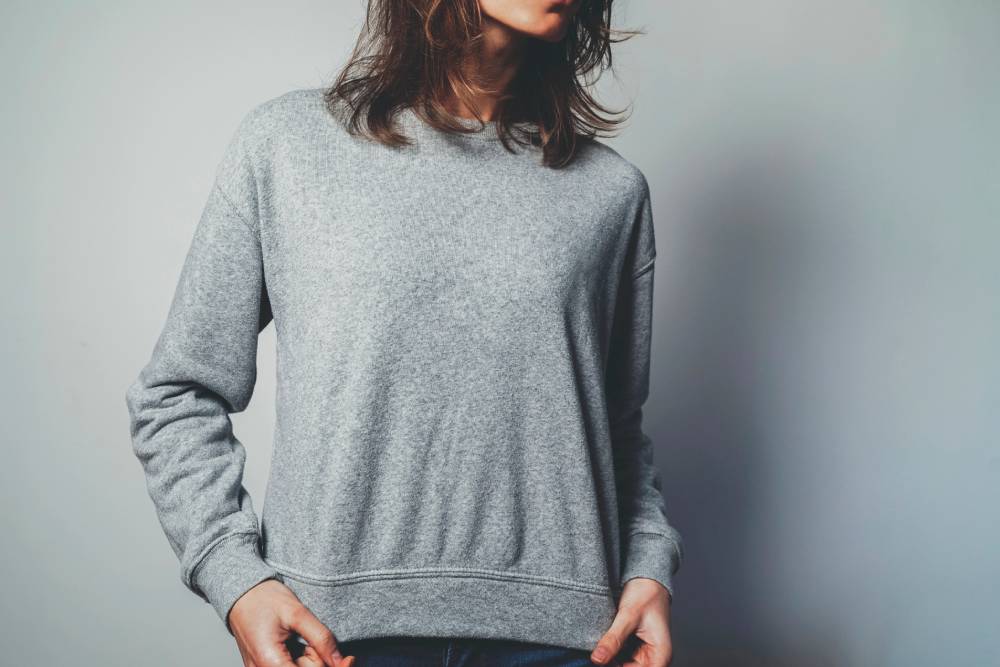
A sweatshirt is usually made from cotton or a cotton blend, often with fleece or French terry on the inside. The goal is comfort, so the build tends to be forgiving, the feel is soft, and the vibe is casual by design. Crewnecks, hoodies, and quarter-zips all fall under this umbrella, and most of them are meant to be thrown on fast and worn hard.
A sweater is knit from yarn, which could be wool, cotton, acrylic, cashmere, or a blend. That knit construction changes everything: texture, drape, airflow, and how “dressed” it looks even with simple pants. If you want a quick shortcut, touch is the giveaway. Sweatshirts feel like athletic gear, while sweaters feel like knitwear that’s meant to be seen up close.
Comfort: Which Feels Better Day to Day?
For pure comfort, sweatshirts usually take the crown because they don’t demand anything from you. The fabric stretches, the interior feels cozy, and the fit plays nice with movement, long drives, and lazy posture. Even when they’re not brand new, they still feel familiar, which is why people keep the same one for years.
Sweaters can be just as comfortable, but the range is wider. A good merino or soft cotton knit can feel amazing, while a cheap or rough yarn can irritate your skin and ruin the whole day. That’s the thing with sweaters: when they’re right, they feel premium and effortless. When they’re wrong, you’ll think about it every five minutes.
Warmth and Breathability: Who Handles Real Weather Better?
Warmth isn’t only about thickness. It’s about how the fabric traps heat, releases moisture, and behaves when you move between cold streets and warm indoor spaces.
Sweatshirts are warm because fleece holds heat and blocks a bit of wind. They shine in mild cold, quick errands, and layered fits with jackets. The trade-off is that fleece can feel stuffy once you’re indoors or moving around a lot, especially if you run warm.
Sweaters, especially wool and wool blends, often handle temperature swings better because they insulate while still breathing. A midweight knit can keep you warm outside, then stay comfortable once you step into a heated room. If you’re in a hot climate, lighter cotton sweaters can still work, but heavier knits may stay in the closet until actual winter arrives.
Style Range: Casual, Clean, and in Between
Style is where sweaters naturally get extra points. A simple crewneck sweater over a tee looks intentional, and a cardigan can read classic, creative, or vintage depending on your fit. Even when you keep everything else low-key, a sweater often adds a “put together” vibe without feeling stiff.
Sweatshirts that match sneakers, denim, cargos, and joggers rule the casual lane, and they’re almost impossible to overthink. Still, a clean sweatshirt in a solid color can look sharp too, especially if the fit is structured and the fabric isn’t thin or sloppy. If you want one piece that can slide from daytime errands to a casual dinner, a sweater has the edge. If you want something that always reads relaxed, the sweatshirt is the easy pick.
Durability: Which One Survives Your Routine?
In daily life, durability is about what happens after the tenth wear, not the first. Sweatshirts tend to handle rough use well. The fabric is thick, the seams are built for movement, and small stains feel less dramatic. Over time, you might see fading, pilling, or stretched cuffs, but most sweatshirts still look fine in rotation.
Sweaters can last a long time too, but they usually need a bit more respect. Knitwear can snag on backpacks and zippers, and it can pill where there’s friction. Some sweaters also lose shape if they’re washed carelessly or hung the wrong way. If you want a grab-and-go layer that won’t stress you out, sweatshirts are safer. If you want a piece that can look amazing for years, a well-made sweater can do that, but it asks for better habits.
Care and Maintenance: Laundry Rules Matter
“Everyday wear” includes laundry, and this is where many people decide without realizing it. Sweatshirts are typically low-maintenance: cold wash helps preserve color, and air drying helps avoid shrink, but plenty of them survive the dryer too. You can basically treat them like your favorite tees, just heavier.
Sweaters are a mixed bag. Cotton and acrylic knits can be fairly simple, while wool and cashmere often do better with gentle washing and drying flat. Some knits also look their best when you take the time to care for them properly, which is great if you enjoy that routine, and annoying if you don’t. If you hate laundry instructions, sweatshirts will fit your life better. If you don’t mind treating your clothes like long-term pieces, sweaters can be worth the extra effort.
Fit and Silhouette: How They Shape Your Outfit
Sweatshirts tend to be boxier, and that’s part of their charm. When the shoulder seams sit right and the ribbing hits cleanly at the cuffs and hem, the whole fit looks intentional, even if it’s relaxed. The problem is that a sloppy sweatshirt can make an outfit look accidental, so fit matters more than people think.
Sweaters often create a cleaner outline because knits drape differently. Ribbed hems can define your shape, and fine-gauge sweaters can sit closer to the body without feeling tight. That’s why sweaters often photograph well and look “finished” with minimal effort. If you like oversized fits, both can work, but sweaters tend to look polished faster.
Skin Sensitivity: The Itch Factor Is Real
Sweatshirts rarely bother skin, which is one reason they’re such a safe everyday choice. You can throw one on over a tee and forget about it.
Sweaters depend heavily on the yarn. Merino is usually soft, while some wools can itch, especially if you’re sensitive. Acrylic can also feel scratchy or get sweaty depending on the knit and temperature. If you love sweaters but hate irritation, a light base layer solves a lot, and higher-quality yarns usually feel better over long wear.
Color-matched T-shirts, Hoodies & Sweatshirts for Sneaker Fits
If everyday means comfort-first, low maintenance, and a relaxed look that pairs easily with sneakers, sweatshirts are the better pick. If everyday means looking cleaner with minimal effort, sweaters often win.
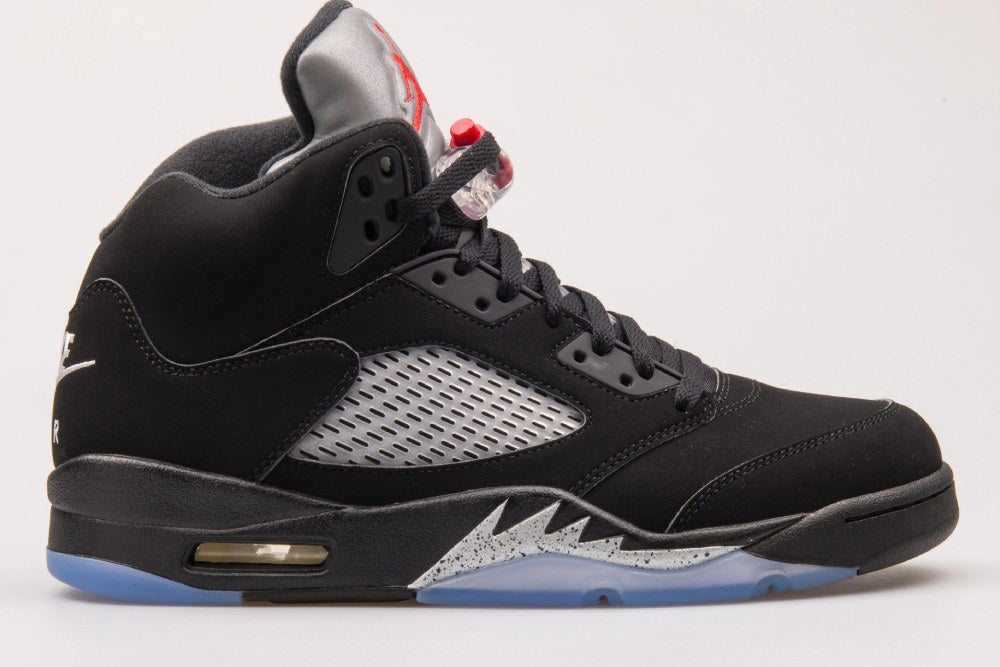
At illCurrency, we design sneaker-matching tees, hoodies, and sweatshirts. Pair the latest Jordans, Nikes, Kobes, and classics with matching apparel, using clean color matching and sharp, intentional graphics. We keep it simple: pick your sneaker, find the right top, and step out clean without overthinking the mirror check.
With free delivery on orders over $75 and a community trusted by 2500+ sneakerheads, our apparel is built for people who care about details and still want getting dressed to stay easy. Explore our collections and match your next daily go-to.